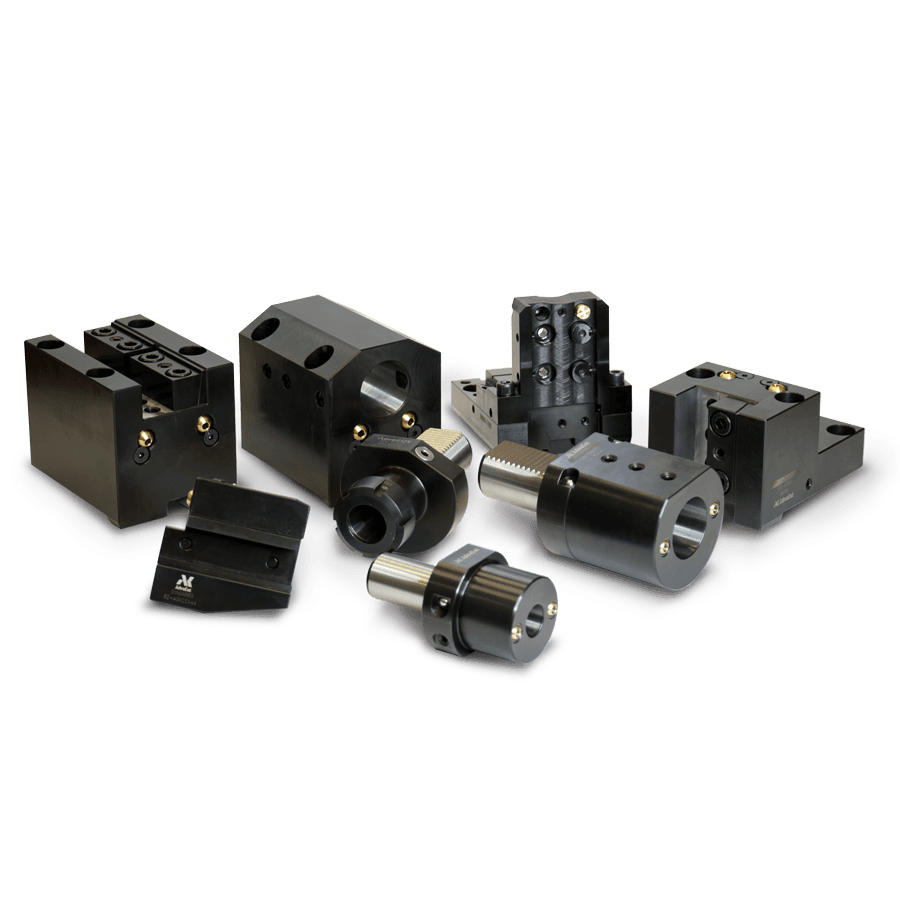
A map of the tooling a CNC lathe actually needs — chucks, live centres, static and driven holders, inserts and the accessories that make them fit.
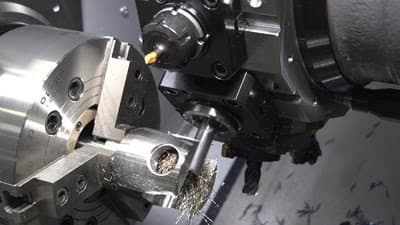
The three lathe turret interfaces compared: VDI, BOT and BMT, what the size numbers mean, and why two turrets marked BMT60 will not take the same block.
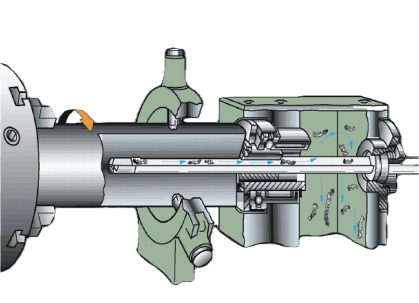
This guide explains common issues in gun drilling like overheating, chip packing, and tool wear, and how to solve them through proper pressure, flow, and lubricant selection
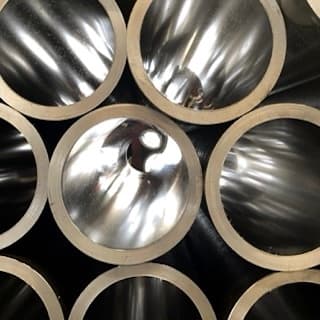
This article explains the process of pipe honing in the Canadian oil and gas industry, covering its principles, benefits, and applications. It highlights how honing improves pipe precision, surface quality, durability, and flow efficiency, ensuring safer and more reliable operation of pipelines and hydraulic systems.

A practical guide to help you select the optimal end mill based on material, diameter, number of flutes, and tool design.
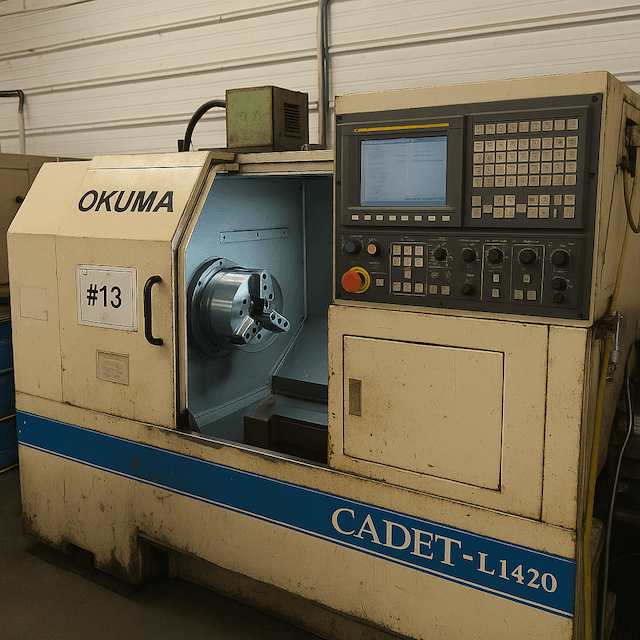
A customer's Autostrong N212 died on a 30-year-old Okuma — and behind the spindle sat a drawtube assembly that appears in no manual. What it took to fit a modern chuck to it.
Discover our guide to milling tool holders, exploring various standards like CAT, BT, DIN, and HSK, along with popular types such as ER collet chucks, endmill chucks, and shrink-fit holders.
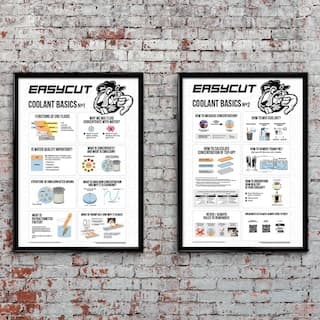
Keep sharp your CNC Fluid Management knowledge with our free training posters
Turning inserts are small, replaceable cutting tools used in machining to shape workpieces on a lathe or turning CNC machine. Made from materials like carbide and ceramics, they withstand high temperatures and wear.
In the world of CNC machining, turning inserts play a crucial role in shaping and finishing materials with precision.

Why topping up CNC coolant is not as simple as adding the same percent. This guide explains concentration drift and the correct way to restore target levels.
Discover EASYCUT’s cutting-edge coolant solutions designed for precision, efficiency, and sustainability - created for every machining need!

Purposes and functions of coolant for CNC metallworking
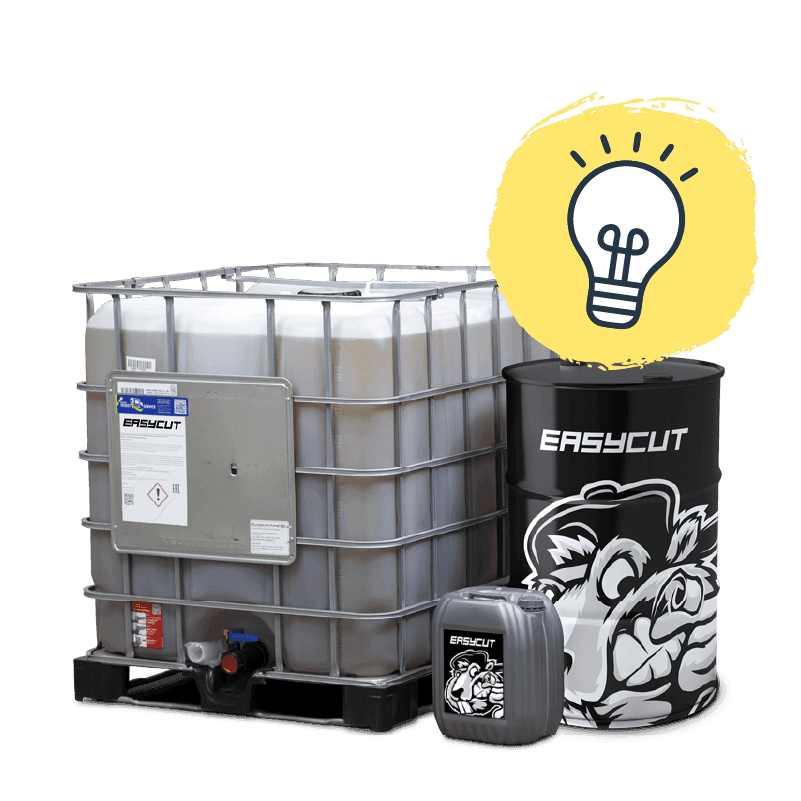
A clear overview of the main types of metalworking coolants - semi-synthetic, ester-based, synthetic and more. Practical differences, strengths and use cases for modern CNC machining.
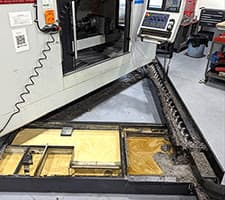
Coolant has started to smell and biocide has not fixed it. This guide walks through the full clean-out — draining the tank, removing the sludge, washing the machine and refilling — in eight steps, with photos of what each stage actually looks like.
